
The Carolyn Bessette Effect: Why 90s Minimalism Is Having a Moment
In an era of maximalism, nostalgia and fast fashion, there is one aesthetic quietly reclaiming its throne: 90s minimalism. Rising from the ashes of 80s extravagance and shaping the foundations of modern garment design, 90s minimalism emphasizes simplicity and elegance. At the heart of that resurgence is an icon whose influence is felt more now than ever: Carolyn Bessette Kennedy.
Photo/The Washington Post
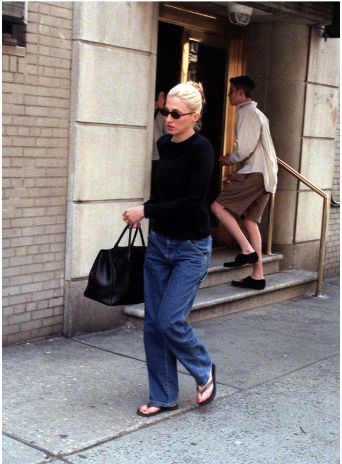
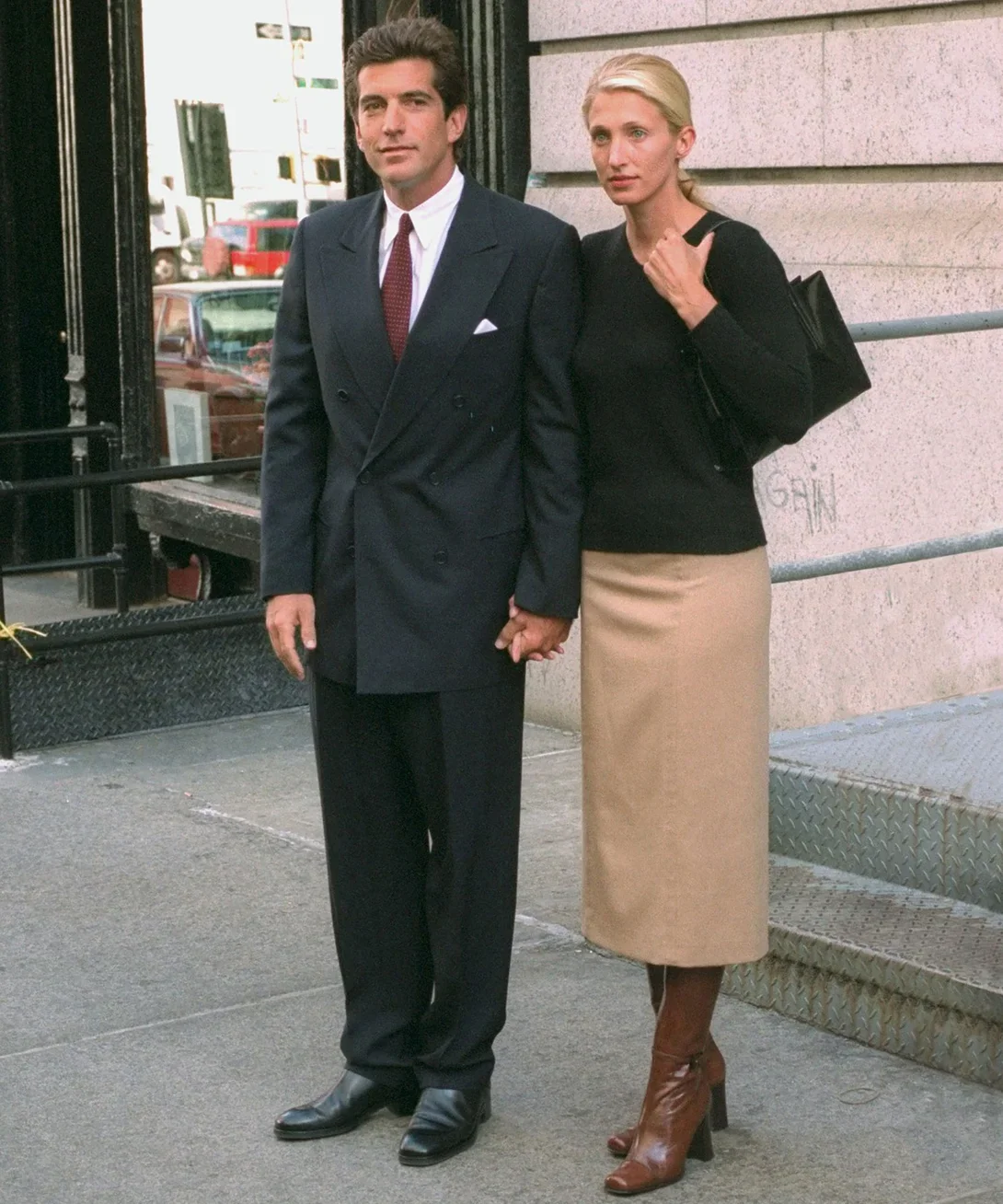
Carolyn Bessette was not a traditional fashion star. Gaining notoriety working as a publicist for Calvin Klein in the 90s, she rose to fame as the bride-to-be of American royalty, John F. Kennedy Jr. Their whirlwind romance made their relationship a tabloid staple, putting Bessette’s outfits on full display for the world. Known for her simplistic, often monochromatic looks, her style conveyed a sophistication that seemed effortless. In an era defined by excess, she stripped style back to its bones: clean lines, neutral palettes and impeccable tailoring. She became synonymous with the concept of chicness.
While Bessette hasn’t graced the streets of New York since her untimely death in 1997, her style is experiencing a revival with the release of Love Story: John F. Kennedy Jr. and Carolyn Bessette. Sarah Pidgeon, who portrays the iconic socialite, has reintroduced her signature minimalism to a new generation of fashion lovers. The show’s costume department meticulously recreated many of Bessette’s most recognizable looks, even sourcing garments she wore herself to capture the elegance that made her a style icon.
Photo/Refinery29
One of the defining elements of Bessette’s aesthetic is the structure and precision of her outfits. Her pieces never looked lived in. Instead, they held an almost architectural rigidity. Skirts fell in perfect columns, blazers maintained crisp lines and dresses draped effortlessly. This precision is what has captivated viewers of the show, who are drawn to the effortlessness in her style.
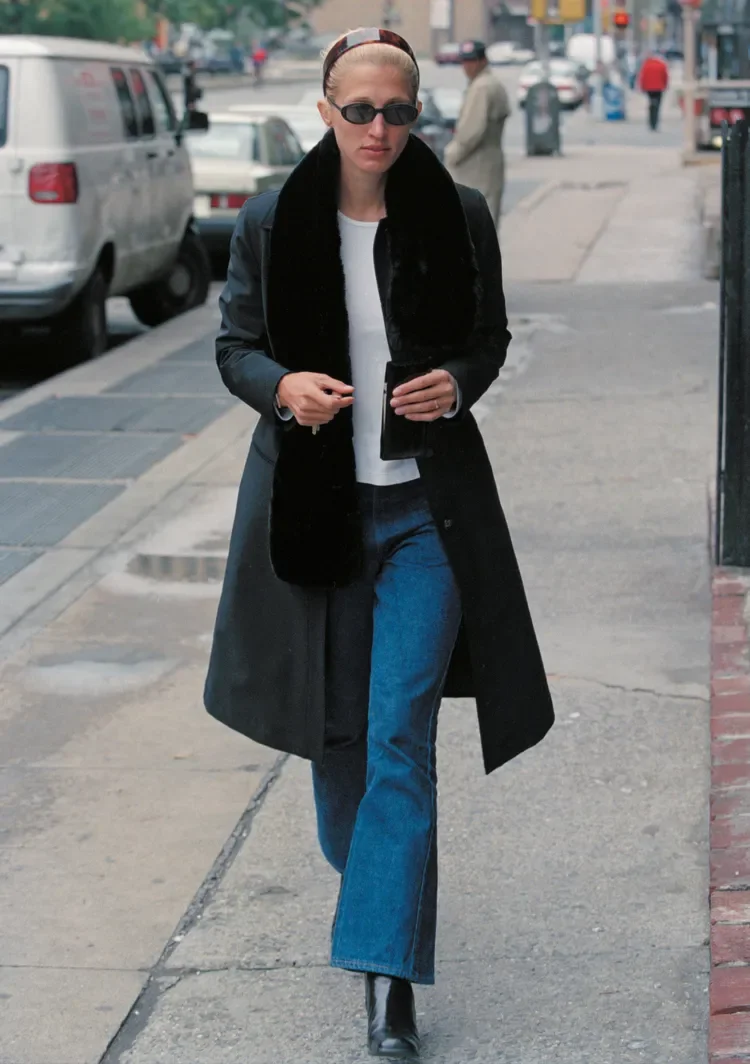
This elegance didn’t come cheap, however. As a socialite and fashion industry professional, Bessette had access to resources and garments beyond the average consumer. Rather than relying on fast fashion, she sourced her wardrobe from top fashion houses like Prada and Dolce & Gabbana, favoring high-quality fabrics and timeless designs. Every piece was tailored to her exact measurements, ensuring the precision of her garments was always maintained. In a time when most consumers are accustomed to poor quality clothing, many confuse higher quality garments with good style.
Photo/Travel + Leisure
This commitment to timeless, well-made pieces is what allows Bessette’s aesthetic to remain relevant today. Even as minimalism has been reshaped by “trad wife” and conservative trends, Bessette’s style endures as a touchstone for women redefining sophistication on their own terms. As fashion shifts toward “quiet luxury” and understated elegance, her style has become a blueprint for a new generation.
Editor: Sydney Annis
Graphic: Sarah Chastain