
Overconsumption Kills: The Death of Subculture
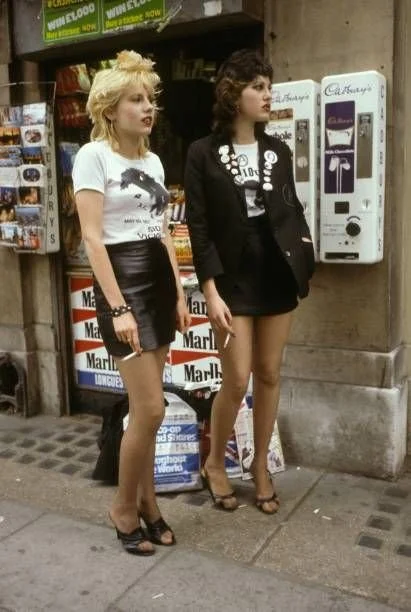
Society has a history of a diverse range of ideologies and communities centered around music, fashion and political beliefs. The Mods of the 50s and 60s bopped to British blues-based rock. The 70s punk movement protested fascism through its fast-paced, raw music, while the hippie movement of the 60s expressed anti-war sentiment through folk, blues and acid-rock.
All of these prominent subcultures of the past have one thing in common: they no longer exist.
In the digital age, a strong sense of identity and community is fleeting. In a society where you can adopt a personality through an online shopping site, the steadfast beliefs and physical expression of certain subcultures are a shell of what they once were.
Photo/Pinterest
Although it can be argued that subculture is not necessarily dead because people who align with their belief systems still exist, the version we have today is watered down.
Society is completely different with the rise of social media. A larger number of people receive the same content through the algorithm social media platforms have carefully programmed, and short-lived fashion trends dominate our feeds.
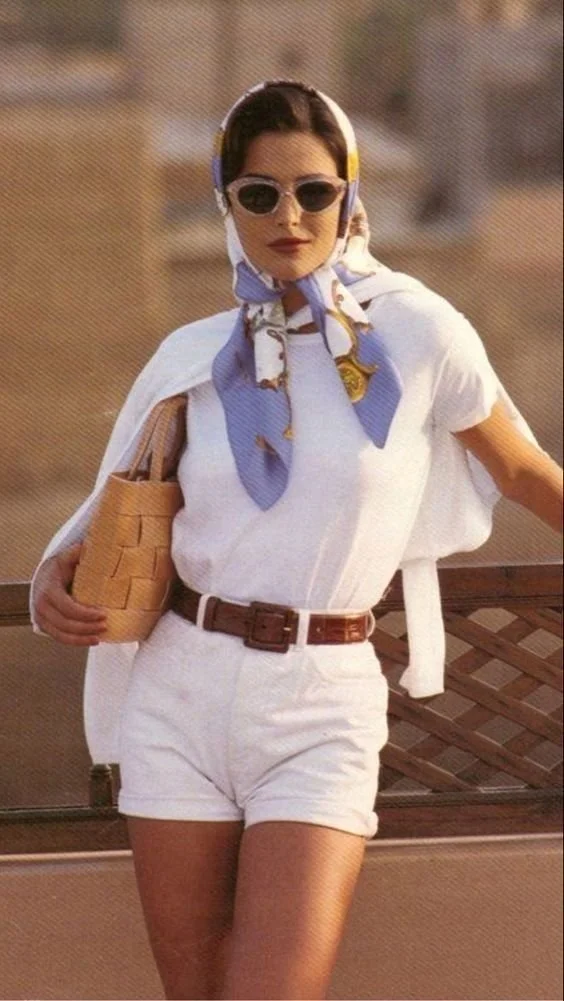
Coquette, blokette, old money, preppy, clean girl aesthetic, Y2K, cottagecore, coastal grandma, indie–the list goes on. The cycle of micro trends is practically endless, and these trends’ birth is directly correlated to TikTok’s popularity amongst younger generations. The social media app allows for direct shopping links to products and clothing, so you can buy the clothes off of the influencer’s page.
Photo/Pinterest
Although this accessibility can be liberating and convenient, as it is much easier to mold yourself physically with clothing pieces you like, a powerful aspect of clothing can be lost.
In the past, the way you dressed often signified your alignment with a political movement. Punks were renowned and easily recognized for their DIY fashion. Hippies could be singled out in a crowd with their long hair and loose, unstructured clothing.
Today, clothing trends are just clothing trends. Most are not rooted in a belief system or a music scene. The internet’s accessibility prevents that from occurring.
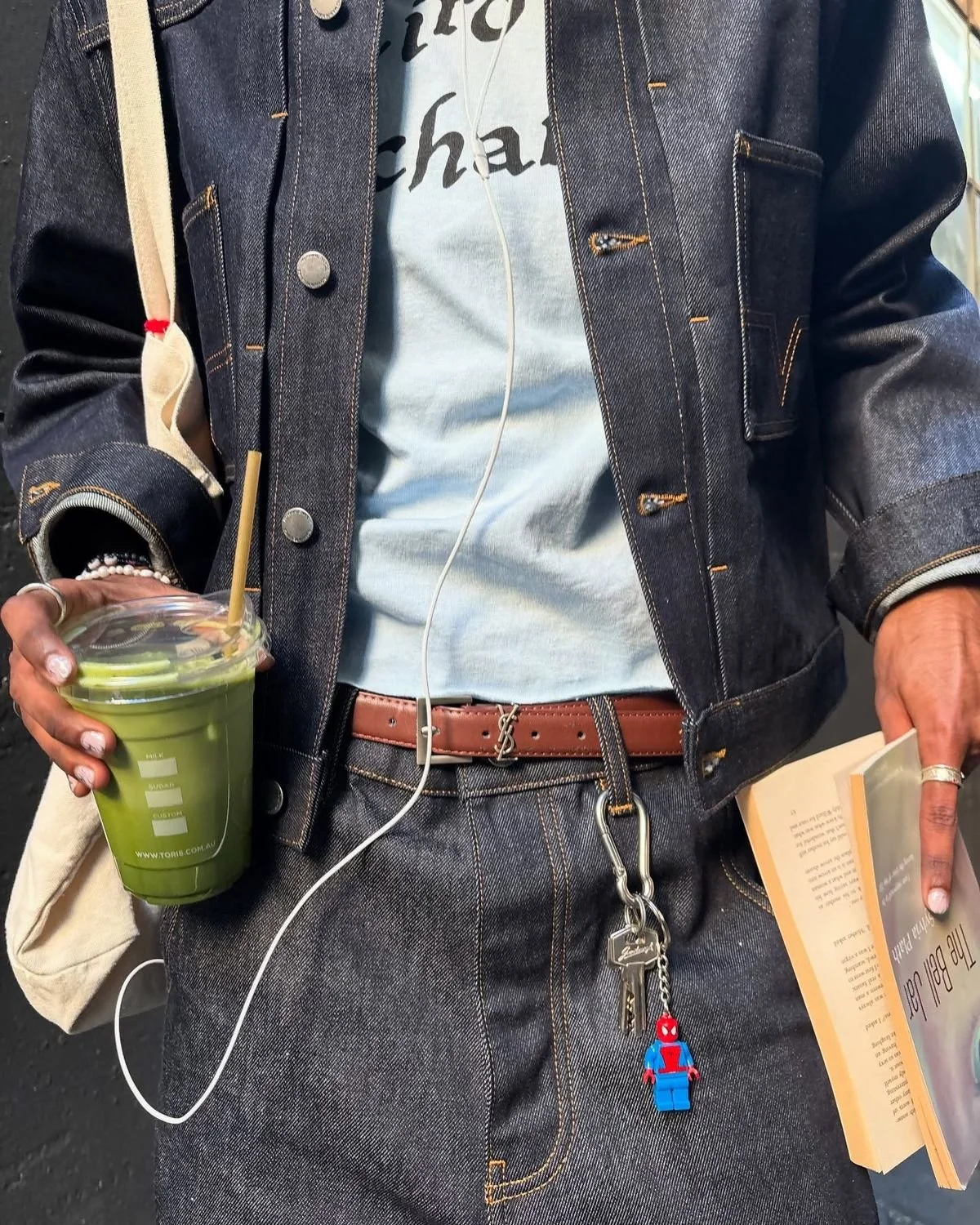
With the rise of accessibility comes the rise in terms like the “performative man”. This characterization points out a certain subgroup of men often found on the internet who are stereotyped for their more alternative fashion, wired headphones, totebag usage, love for matcha and feminist literature.
Photo/Pinterest
Although this depiction is often satirical and has led to “performative male competitions” in certain cities and college campuses to see who is the most “performative,” the creation of this term shows the larger issue at hand: the internet has set a one-dimensional standard that the masses feel they must comply with to be seen.
A “performative man” does not actually read feminist literature. He might not enjoy the physical music he collects or actually like matcha. The performative male pretends to like these things to attract women.
Because social media platforms like Instagram and TikTok have shown this certain subset of men what is considered cool or attractive to the female gaze, they adopt these clothing styles and the interests that match to be someone they are not.
The integration of modern technology into our society has led to this shallow image being created. Human beings do not interact with one another in person as often as they used to, and instead of being able to form an identity through community, the digital sphere has a heavy hand in what people believe in and how they dress.
Community is incredibly important to the development of the self. If individuals in society were able to leave the digital sphere and immerse themselves in the world around them, social media’s hollow micro-trends would not have such a large impact, and closely-knit communities and subcultures could be revived.
Editor: Sydney Annis
Graphic: Delaney Chernault