
Death of the Phone Camera
“Mom, do you still have your old digital camera?”
This is a question I have asked my mom in the last two years, as digital and film cameras are becoming the go-to for taking any sort of photo in 2025. This shift from phone cameras to traditional cameras transforms how fashion and even life itself are documented. Due to a conventional camera’s ability to capture moments in a more authentic way with flash, delays and overall its candid nature, it gives photos that human touch. Fashion currently exists in a space between staged and spontaneous, and utilizing these cameras helps frame our moments in fashion in a different light than through the use of a phone. The rise in popularity of digital and film cameras allows for a more honest, genuine expression of oneself and one's style. Choosing these rather than a phone showcases intention and the desire to take photos for the archive, rather than the algorithm.
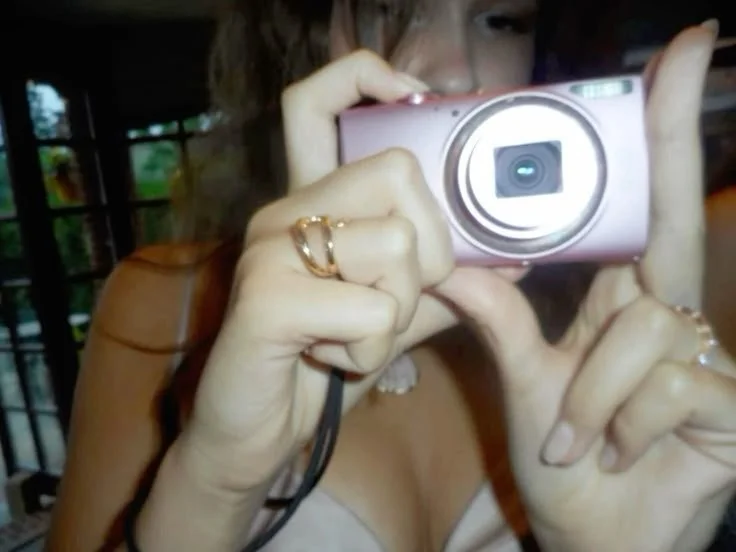
Photo/Pinterest
Models such as the Canon PowerShot and the Nikon CoolPix were some of the most popular digital cameras during the 2000s. With them being seen on wrists or thrown into chunky handbags during this era, they bring a sense of authenticity from that time that we yearn for in 2025. Everyone can agree that when someone says, “This was taken on my digital camera,” they instantly show just how effortlessly cool they are.
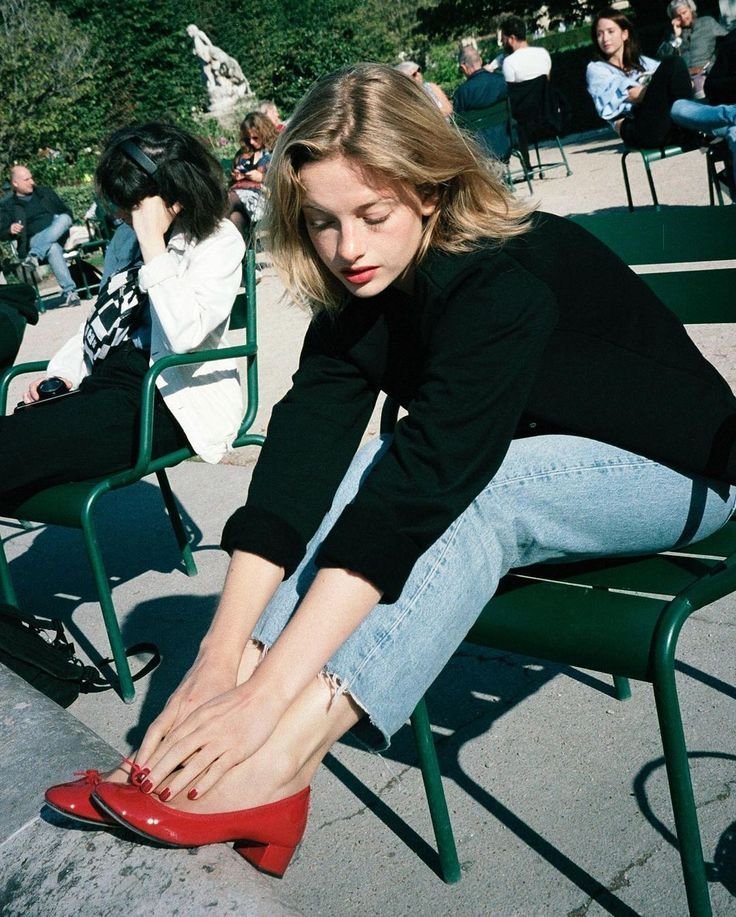
Photo/Pinterest
On the other side of the spectrum are film cameras. Film makes one slow down and think, rather than doing whatever pose because they have unlimited takes on a phone. When you are told that you only have 26 shots, for example, you ponder and cherish the moment or pose you end up choosing. It is significantly more thoughtful, and it shows one’s attention to detail because there is a limited number of takes. This aligns heavily with modern fashion’s current “mood,” which is nostalgic and intentionally messy. The use of film cameras specifically in fashion makes it feel archived, and that it truly matters, for it is not just a basic photo of an outfit, it is more than that, it is an expression of oneself.
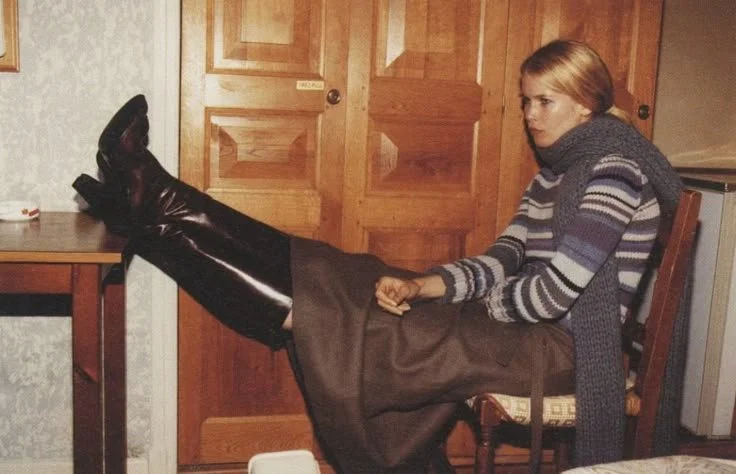
Photo/Pinterest
“Can we agree to take candids of each other on this trip?” This is another question both my friends and I have asked one another whenever we go on vacation, and it conveys what we all want from fashion photography. The best fashion photos look like b-roll, and with the use of these cameras, it can be achieved due to their no-previewing, quick snap nature, which limits the ability for editing. People just want moments of fashion in action.
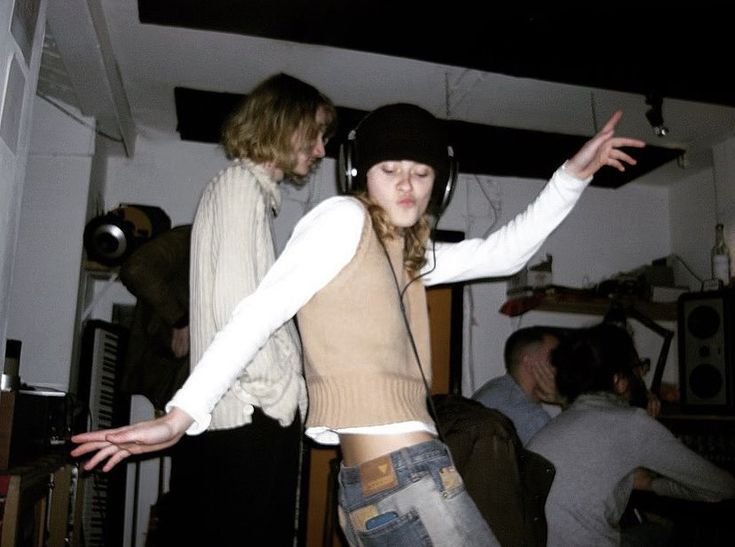
Photo/Pinterest
Phone photos are intended to be edited, cropped or touched up. However, digital or film photos are typically posted as-is. Fashion in these photos feels lived in. What you see is what you get. It allows individuals to feel like they were truly there in the moment, which is what photography in general is all about. It also allows for human details to be seen, such as smile lines, movement or wrinkles, that are typically removed in photos taken on a phone. The presentation of these details conveys what it means to be human. Despite living in such an electronic age, these photos feel honest, which is something we need to see in a world where we often do not know what is AI-generated or not.
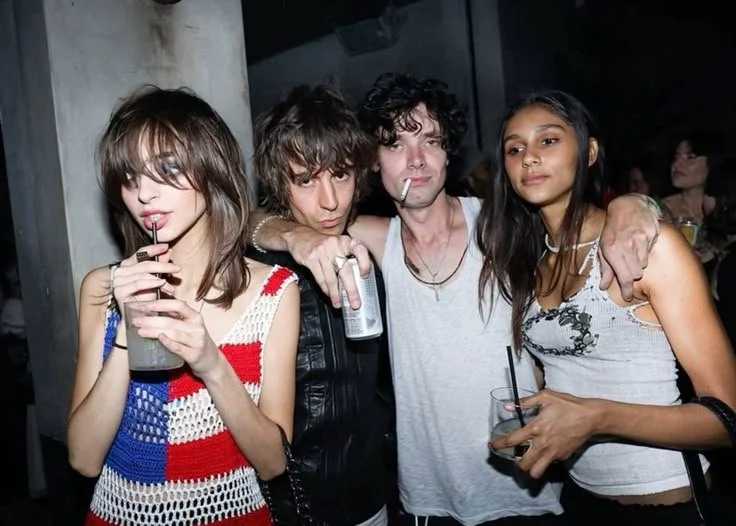
Photo/Pinterest
At first glance, the revival of these cameras in fashion might seem like a simple longing for nostalgia across generations, but it runs deeper than that. It is a rebellion against this concept of perfection being conveyed to us all every day through unrealistic photography, a rebellion against the sameness and uniformity emanating from AI and a rebellion against characterless, bland social media feeds. As Gen Z keeps selecting older cameras, they’re also embracing the rich context, texture, and control these cameras offer. The message is clear: this is not just for the algorithm—it is for the archive, for the stories and memories that will last.