
Cultural Appropriation or Celebration? A Quick Guide to Celebrating St. Patrick’s Day in America
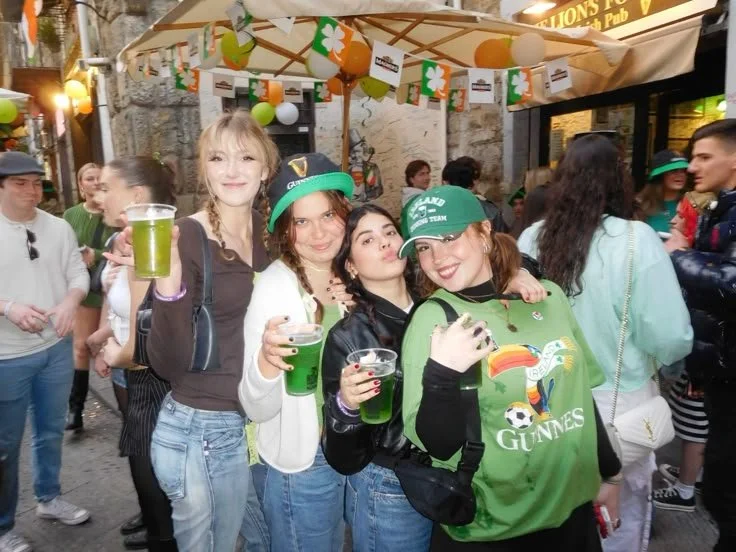
As we step into March, many things arrive with it—warm spring weather, time changes and most importantly, one of America’s favorite holidays: St. Patrick's Day. Across the country, this holiday is celebrated with shamrock décor, bar hopping from morning to night, shirts with cringy sayings about “kissing the Irish” and everything—including your food—being dyed green. But in this day and age, people are trying to be more conscious of respecting other cultures, acknowledging their origins, and crediting ideas to their original creators. Cultural appropriation is often discussed when it comes to food, fashion, music and art. It’s rarer for it to be recognized in the form of a holiday. But we have seen this more recently with Chinese New Year populating everyone’s social media feeds. So the question of the month is this—is St. Patrick’s Day in America truly a celebration of Irish culture, or is it another excuse for commercialization and nationwide partying?
Photo/Pinterest
St. Patrick’s Voyage from Ireland to America
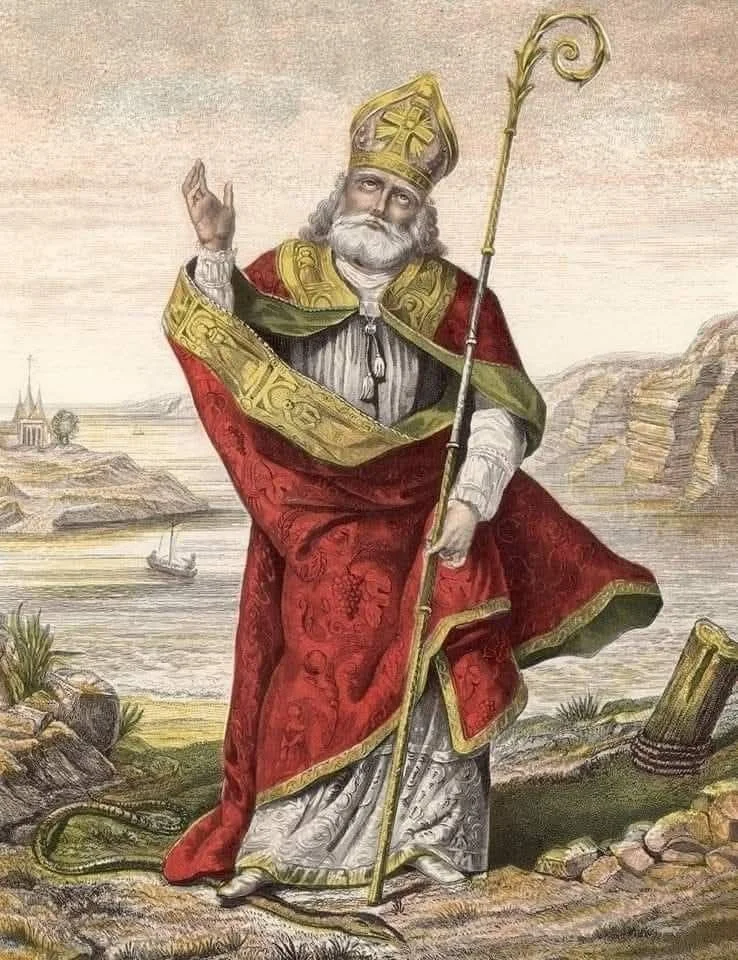
St.Patrick’s Day was initially created to honor Ireland’s patron saint, Saint Patrick. The holiday is celebrated annually on March 17, the day of Saint Patrick’s death. It started as a secular
holiday, commemorating the man who brought Christianity to the country of Ireland. Beginning in the 10th Century during the period of Lent, the Irish would attend church services and host feasts where people would dance, drink and eat a customary meal of Irish bacon and cabbage; the rules of lent waived away.
Photo/Pinterest/Saint Patrick
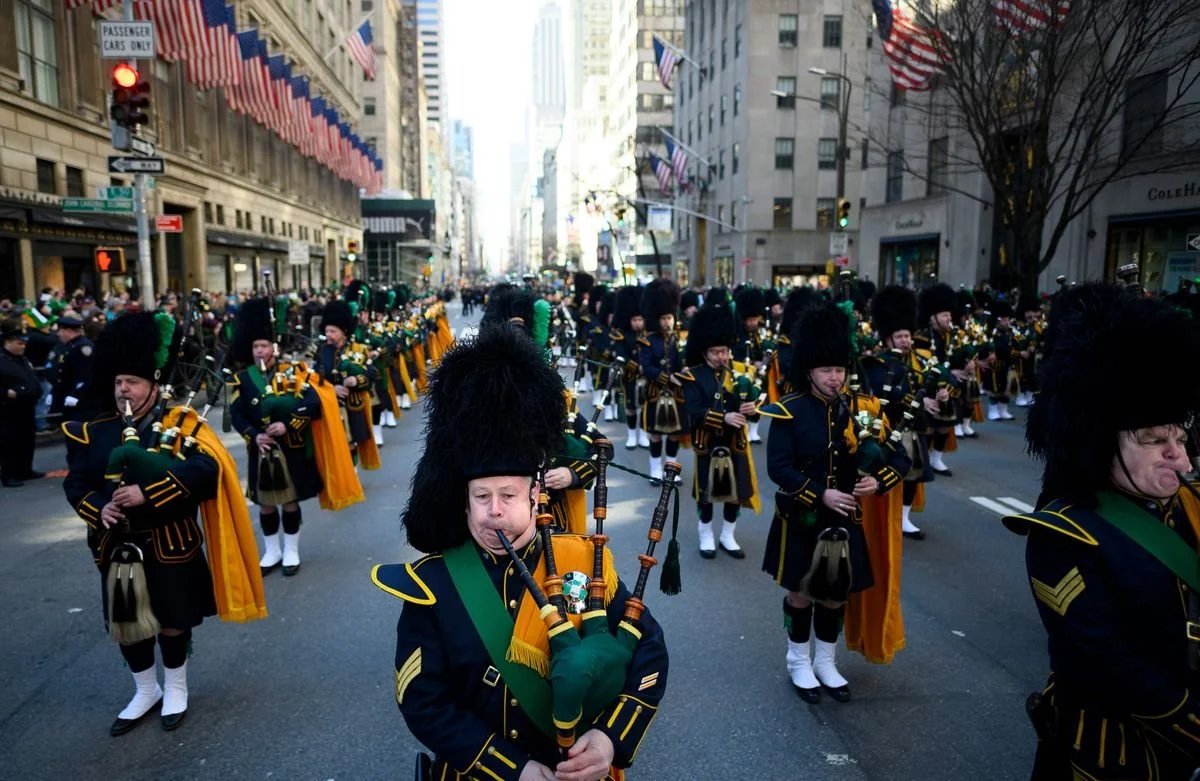
But beginning in the 17th century, St. Patrick’s Day made its way to a new land– America. Irish settlers in America brought new ways to celebrate their beloved holiday. In the Spanish colony of St. Augustine in Florida, the first-ever St. Patrick’s Day parade in history was organized by the colony’s Irish vicar, Ricardo Artur. Over a century later, the St. Patrick’s parade grew in popularity when homesick Irish soldiers, who were serving in the British military at the time, marched the streets of New York City to honor their patron saint. This grew the excitement and enthusiasm for the parades in cities all around the country, including Chicago, Illinois, Savannah, Georgia, and Boston, Massachusetts.
Photo/Pinterest/St. Patrick’s Day Parade in New York City
Politics of the Patron Saint
Coming into the nineteenth century, most Irish Americans were Protestants. That was until the Great Potato Famine hit Ireland, causing almost a million Irish Catholics to immigrate to the U.S. to escape from hunger. Unfortunately, Protestant Americans deplored the Catholic immigrants due to their religious and cultural differences. When the Irish Americans took to the streets for the celebration of their holiday, they were often depicted in the media as drunk, violent monkeys or apes. Luckily, the Irish Americans came to the realization that their growing numbers could be used for political gain. This resulted in the voting bloc called the “green machine,” a very important swing vote for politicians. In 1948, President Truman attended the St. Patrick’s Day parade in New York City, a significant moment for all the Irish Americans who had spent many years fighting against prejudice– they finally reached a state of belonging in their home.
Which One Is It?
After learning the basic origins of St. Patrick’s Day and how it made its way to the U.S., we circle back to the question of “is it cultural appropriation or celebration?” At a surface level, it seems as if the celebration of St. Patrick’s Day in America has stemmed from Irish immigrants wanting to bring their culture overseas with them, even creating new ways to celebrate in their
new home. But once you peek under the skin, you easily see how, in more modern times, there is little to no acknowledgement of the holiday’s origins, and instead, people just lean into the commercialization of it. In addition, some of the symbols and common ways to commemorate are offensive to the Irish. For example, the common practice of drinking and partying all day long. Although drinking is a very important part of Irish culture and was even something the original Irish would do in remembrance of their saint, the extent to which it occurs in America is the opposite of what the Irish originally intended. In fact, up until the 20th century, the Irish government mandated that all shops– including pubs– were to be closed that day. In addition, harmful stereotypes about Irish drinking were portrayed through extremely offensive drawings and other forms of media. This definitely leads to some lingering bitterness, seeing as excessive drinking is now acceptable and even encouraged– it is an easy money grab! So, although it seems that Americans have been partaking in this holiday in a positive manner, there is a portion of Irish American history that has been largely ignored due to their current acceptance into society.
Proper Preparations
So, how do you move forward and celebrate St. Patrick’s Day? Now, I don’t expect people to avoid going out with friends and not wear green shamrock shirts. In fact, I will be guilty of partaking in those activities this upcoming weekend. But, I believe that personally learning the history of Saint Patrick and acknowledging the holiday’s meaning causes the festivities to appear as a cultural celebration rather than appropriation. If more people start to learn about the holiday, the intention of the celebration will eventually change. It will no longer be mindless drinking and meaningless symbols.
So in the true spirit of changing the intention behind St. Patrick’s Day, here are a few fun facts pertaining to Saint Patrick and his honor:
1. Why Do We Wear Green?
Green is the color of St. Patrick’s Day as a symbol of Ireland’s defiance towards the British (they’re always at the crime of the scene). The British had given the color blue to the Irish and even assigned it to Saint Patrick. Therefore, the Irish chose a new color, green. It is believed that green was chosen due to the three-leafed shamrock.

Photo/Pinterest
2. Where Does The Shamrock Symbol Come From?
The shamrock, also known as a clover, is a widely recognized symbol for St. Patrick’s Day. It has significance because it is said that Saint Patrick used a three-leafed clover to explain the three forms of God: the Father, the Son, and the Holy Spirit. This visualization was used to convert the early Irish to Christianity.

Photo/Pinterest
3. Why Leprechauns?
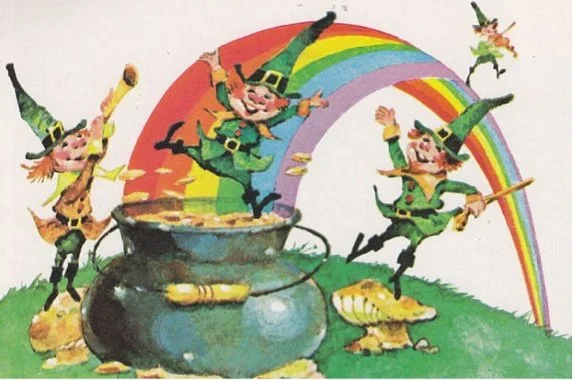
Surprisingly, leprechauns have no real roots in St. Patrick’s Day. These mythical creatures have very small roles in Celtic folklore. They are known for being tricky and cranky protectors of treasure. Originally, leprechauns were depicted wearing red. But as everything Irish became associated with the color green, leprechauns began to appear in green. In America, the story
behind these creatures is that they pinch those who aren’t in green because they cannot see green hues.
Photo/Pinterest
So before you hit up the bars in your cute green baby tee and mini skirt, have a hearty meal of corned beef, Irish bacon and cabbage. And once you are on your fifth “Shamrock Spritz,” drunkenly inform a random frat boy about the significance behind the shamrock symbol.
Editor: Sydney Annis