
A Clash of Culture: Party vs Purity
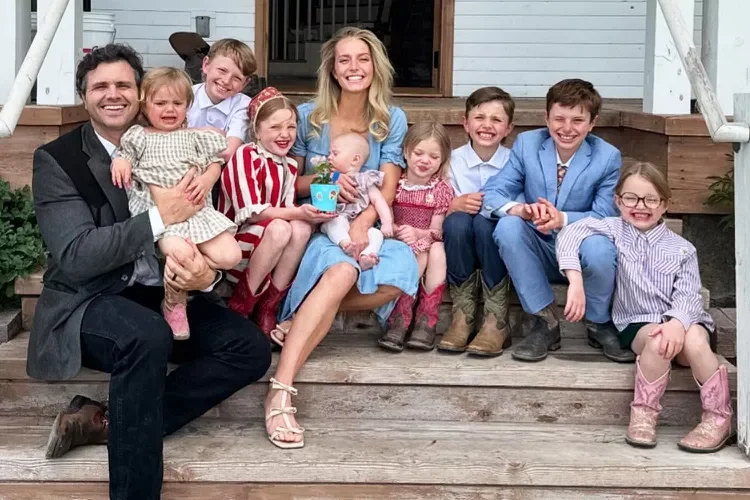
Nara Smith, Charli xcx, Ballerina Farm, Rachel Sennott– are any of these names familiar? These are some of the most infamous names in recent years in trends and popular media. But these four women range from polar ends of the spectrum in regards to their role in influence. These women represent something far deeper than their aesthetics or branding, they represent a culture. Over the past half decade, there has been a drastic rise in the glamourization of the idea of a “tradwife,” or a traditional wife. The term “tradwife” has gained popularity over recent years, referring to a woman who does not have a career, is traditionally feminine and docile, and devotes all her time to a husband and/or children. Influencers like Nara Smith, who has amassed over 12 million followers on Tiktok, and Ballerina Farm (Hannah Neeleman), who has amassed over 10 million on Tiktok, are putting their tradwife lifestyles on the center stage in popular culture. With numbers like 10 and 12 million, it's obvious that their ideologies are gaining popularity in the societal eye. Neeleman’s content revolves around her day to day tasks of a mother of nine living on a farm in Utah.
Photo/People Magazine
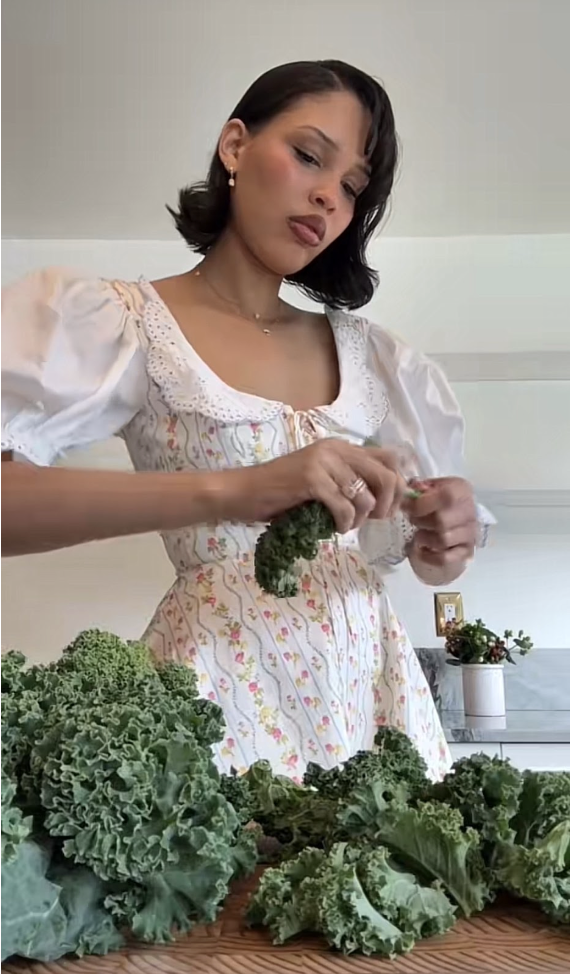
In Neeleman’s posts, she explains how she previously danced at the Julliard School of Music as a talented ballerina, however she abandoned her studies of dance to pursue a family with her husband, and now works as a stay-at-home mom. Smith’s content consists of “making it from scratch,” with a frequent bit of making a mundane, household item entirely from scratch. For instance, Smith once flew into the frame of her camera, dressed in a delicate, white, elegant dress and made chewing gum from scratch, complete with a delicate and soft spoken voice-over of her process.
Photo/Nara Smith
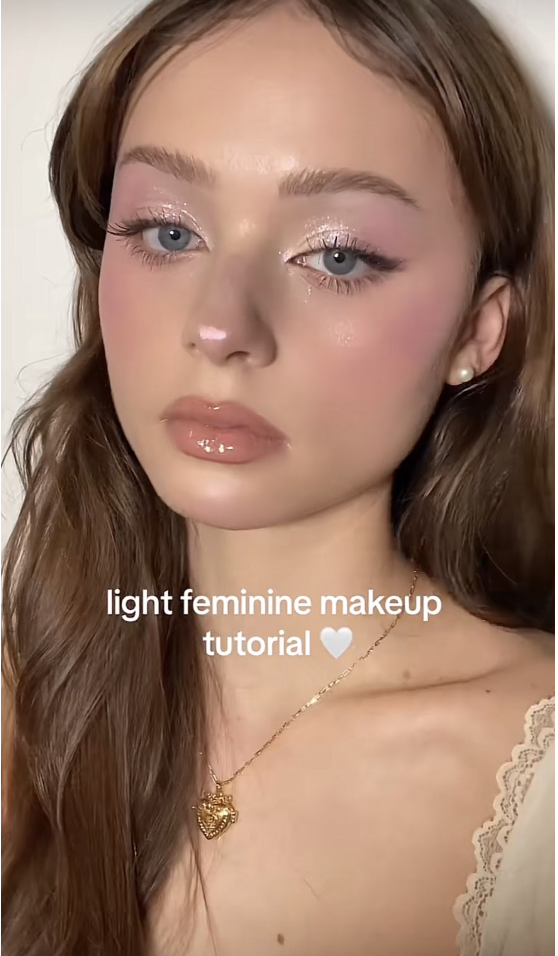
This alone doesn’t seem to fit the “tradwife” persona does it? But when you take a deeper dive into Smith’s content, you’ll find that she is the blueprint. Each and every outfit in her videos is meticulously planned and put together. Her outfits are soft, delicate and most importantly, overtly feminine. The voice-overs in all of her videos, extremely soft-spoken and docile, the voice of an idealistic "feminine woman.” In the context of current cultural trends, it is clear that Smith and Neeleman represent more than their own individual brand or persona, they represent the resurgence of purity culture amongst Gen-Z. Trends are emerging all around us with subverted “purity” messaging, “clean girl” makeup, rise in “red pill” content and “sleepy girl mocktails.”
Photo/Sophie Grace
All of these trends, when examined with a close eye, have purity culture intertwined within them, and even deeper than that, a voice urging women to go back to traditional, feminine roles and to “stay in the kitchen.”
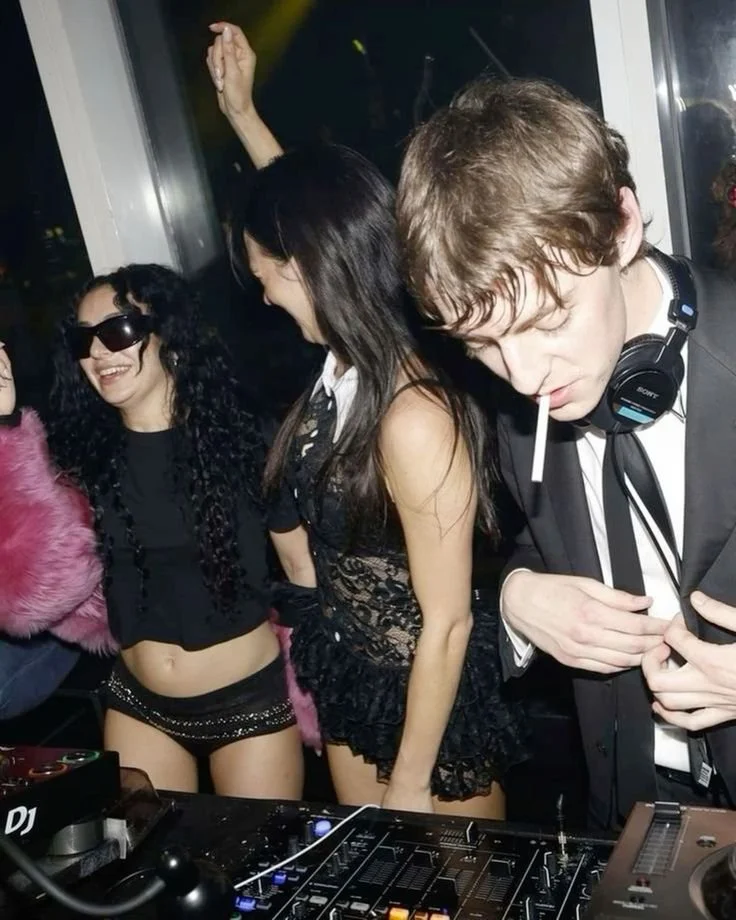
At the same time as purity culture rises back into the cultural zeitgeist, another force is simultaneously grabbing our attention, the party girl. And who is holding the reins of the party girl movement? No one other than Charli xcx. Charlotte Aitchison, artistically known as Charli xcx, is a British artist, creating pop and club-style music. Her latest record, “Brat”, sparked a cultural movement, emphasizing the party girl aesthetic. Clubbing, messy eyeliner, and an unapologetic frame of mind are all at the forefront of the movement. With lyrics like, “Wanna go real wild when I'm (bumpin' that), Meet me in the bathroom if you're (bumpin' that) 365, party girl (bumpin' that),” off the last track of Brat, 365, it’s apparent that Charli is not one to stay inside.
Photo/Pintrest
It is also apparent that listeners are fans of the party girl aesthetic, as “Brat” was Charli’s highest ranking record of her career, charting #2 on the Billboard Top 200, and was one of the highest ranked records of 2024, the year of its release. The album sparked the beginnings of “Brat Summer”, a cultural movement among Gen-Z during the summer of 2024. The era highlighted chaotic energy, hyper-confidence, and partying; and at the pinnacle of the movement, a woman. Charli xcx and the cultural phenomena of the party girl aesthetic is the antithesis of the narrative of a tradwife and the ideals of purity culture. In the same vein of figures like Charli xcx, Rachel Sennott is another woman pushing the rise of the party girl in the public eye. Sennott, 30, is an American actress, starring in various roles in projects such as “Bodies Bodies Bodies,” “I love LA” and “Bottoms,” which are all projects targeted towards Gen-Z audiences. Along with her career in film, Sennott has gained popularity through her place within the party girl crowd in Hollywood.
Editor: Sydney Annis